How to Feed Materials into Coil Mixing Kettles Without Splashing for High Output: Complete Technique Guide
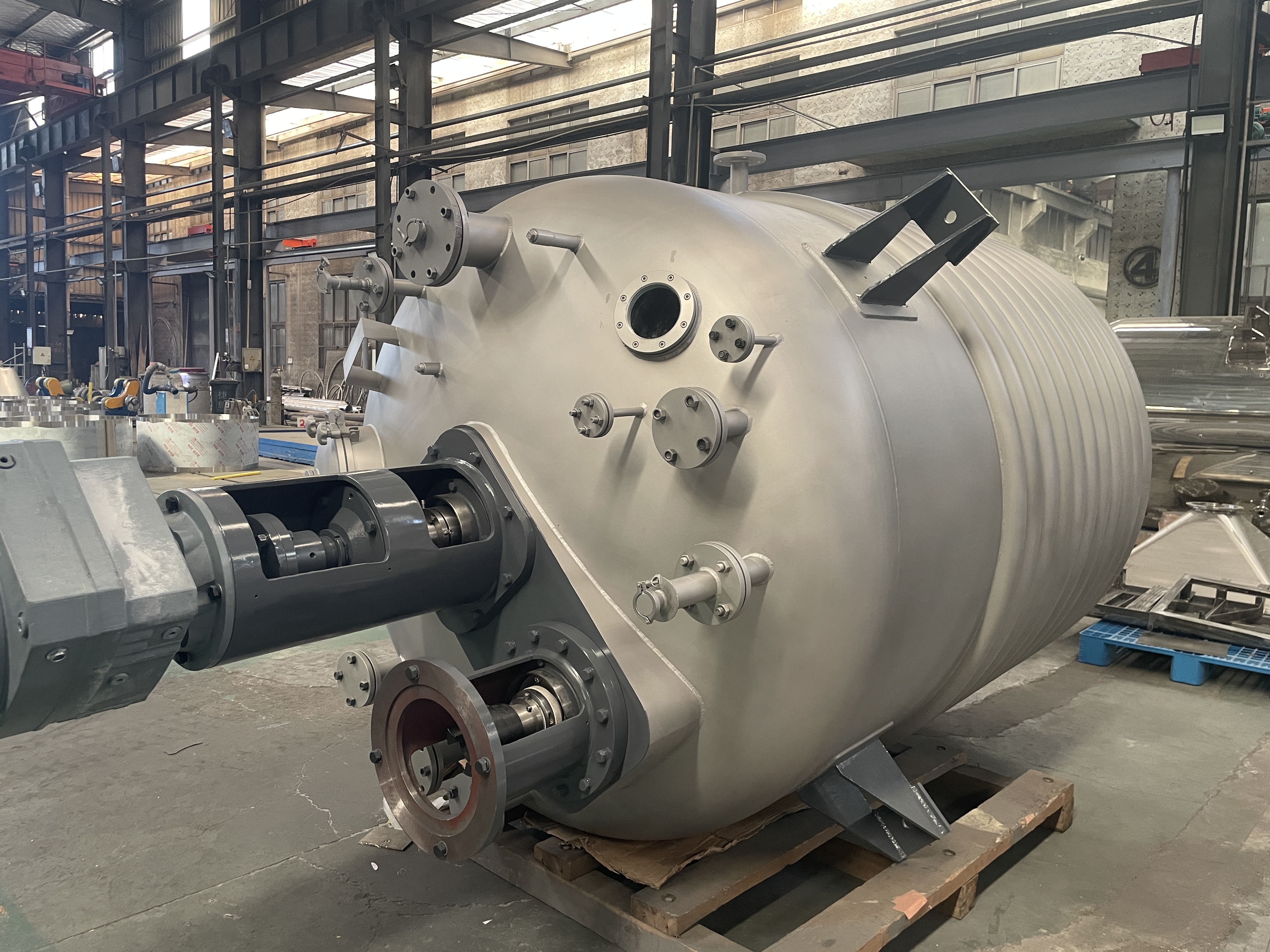
As core reaction equipment in chemical, pharmaceutical, and other industries, the coil mixing kettle's feeding process directly affects reaction stability, product quality, and production safety. Unlike ordinary stirring equipment, coil mixing kettles combine mixing and temperature control functions, requiring feeding procedures that account for both material reaction characteristics and coil temperature control needs.
I. Pre-Feeding Preparation: Foundation for Safe Operation
Equipment Inspection: - Confirm stirrer rotation is correct with no jamming or abnormal sounds - Coil inlet/outlet valves operate smoothly - Sealing devices show no leakage - Safety valves and pressure gauges are within calibration period - Level gauges and temperature sensors display accurately
Material Pre-Treatment: - Solid materials: Crush and sieve through 80-120 mesh to prevent clumping - Liquid materials: Pre-heat or pre-cool to 25-50°C per process requirements
Safety Preparation: - PPE: Corrosion-resistant gloves, safety glasses, anti-static clothing - Emergency equipment: Shower devices and neutralizing agents ready - Clear procedures for handling splashing and leakage emergencies
II. Core Feeding Process: Layered Addition is Key
Step 1: Base Material Addition - Add 60%-80% of solvent or inert carrier - Start stirrer at low speed (50-80 r/min) - If temperature control needed: Slowly adjust via coil to reaction range - Example: For esterification, pre-heat base material to 60-70°C
Step 2: Reactant Addition Follow "stable materials first, reactive materials later" sequence: 1. Add mild materials (alcohols, esters) first; stir 5-10 minutes 2. Add strong acids, alkalis, or oxidizers slowly: - Liquids: Drip at 5-10 mL/min via addition tank - Solids: Add in batches with 3-5 minute intervals via dust-covered hopper 3. Maintain medium speed (100-150 r/min) for auxiliary agents 4. Monitor for 10-15 minutes for temperature spikes or gas generation 5. Adjust stirring speed and coil temperature to process settings
III. Special Materials: Targeted Feeding Strategies
Heat-Sensitive/Volatile Materials: - Maintain continuous cooling via coil below boiling point - Use sealed piping for rapid addition to minimize volatilization
Corrosive Materials (e.g., concentrated nitric acid, sodium hydroxide solution): - Verify 316L stainless steel construction - Immediately flush addition port with deionized water after feeding
Conclusion
Coil mixing kettle feeding is not simple material pouring - it's systematic operation combining equipment characteristics with process requirements. Only by strictly controlling each step can you ensure safety while achieving stable reactions and product quality, laying a solid foundation for subsequent production.